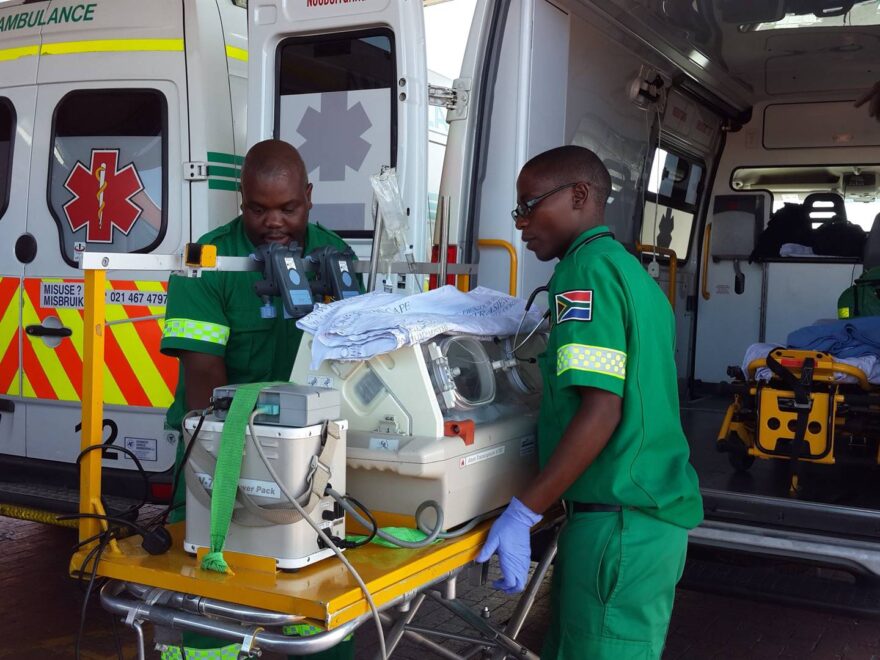
What Is a Paramedics Learnership 2026?
A Paramedics Learnership 2026 is a structured training programme that helps young people and job seekers build skills to work in emergency medical services (EMS). It combines classroom learning with practical workplace experience, so you don’t just learn theory—you also learn how the job works in real life.
In simple terms, this learnership prepares you to respond to emergencies, assist injured patients, and support health teams during urgent situations. It’s a powerful entry route into the medical and emergency care industry, especially for people who want a career that makes a real difference.
Learnership Meaning in South Africa
In South Africa, a learnership is a formal programme linked to a qualification that is registered on the National Qualifications Framework (NQF). A learnership usually includes:
-
Training provider (college or academy)
-
Workplace host (company, hospital, EMS provider)
-
Learner (you)
You learn, you work, and you get assessed. If you pass, you may receive a qualification or proof of competence that helps you grow in your career.
Why Paramedic Training Matters
Emergency care workers are needed everywhere—cities, townships, rural areas, and highways. Accidents, medical emergencies, and disasters can happen anytime. That’s why paramedics and emergency care staff are essential.
When you join a Paramedics Learnership 2026, you’re stepping into a career that helps save lives. That’s not just a job—it’s a calling.
What You’ll Gain From the Programme
Here are some key benefits of a Paramedics Learnership 2026:
-
Real workplace exposure in EMS
-
Emergency response skills
-
Patient care knowledge
-
Teamwork and communication skills
-
Better chances of employment in healthcare
And honestly, it also builds confidence. You learn to stay calm under pressure, think fast, and act responsibly.
Why You Should Apply for Paramedics Learnership 2026
Applying for a Paramedics Learnership 2026 can open doors to a stable and meaningful career. Many young people struggle to find work due to lack of experience. A learnership solves that problem by giving you training and experience at the same time.
High-Demand Career Path
The healthcare and emergency services sector keeps growing. South Africa needs skilled emergency care personnel because:
-
Road accidents are common
-
Chronic illness emergencies happen daily
-
Communities need fast medical response
-
Private and public EMS services are expanding
So yes—this career is in demand.
Skills You’ll Learn During Training
A Paramedics Learnership 2026 can teach you practical skills such as:
-
Basic life support (BLS)
-
CPR and airway management
-
Controlling bleeding and shock
-
Patient assessment
-
Safe lifting and moving of patients
-
Communication with hospitals and dispatch teams
These skills are not just useful at work—they can also help you in real life when emergencies happen around you.
Real Work Experience Benefits
Employers love candidates who already understand the workplace. With a learnership, you get:
-
Work exposure
-
Supervision by professionals
-
On-the-job coaching
-
References and experience for your CV
That experience can make you stand out when applying for jobs later.
Requirements for Paramedics Learnership 2026
Before you apply for a Paramedics Learnership 2026, you must make sure you meet the requirements. Different organisations may have different rules, but most programmes follow similar standards.
Minimum Education Requirements
Most learnerships require:
-
Grade 12 / Matric certificate
-
English and Mathematics or Mathematical Literacy (varies)
-
Life Sciences (recommended but not always required)
Some programmes may accept Grade 11, but Matric is usually preferred.
Tip: If you have higher qualifications, such as a health-related certificate, include them. It strengthens your application.
Age Requirements and Eligibility
Many learnerships focus on youth development, so they may require applicants to be:
-
Between 18 and 35 years old
-
South African citizens with a valid ID
-
Unemployed at the time of application (often required)
However, don’t assume. Always read the advert carefully.
Medical Fitness and Physical Readiness
Emergency work is physically demanding. You may need to:
-
Carry equipment
-
Lift patients with assistance
-
Work long shifts
-
Handle stressful situations
Some programmes may ask you to pass:
-
A medical fitness test
-
A physical assessment
-
A drug screening test
It’s not meant to scare you. It’s to make sure you’re ready and safe.
Driver’s Licence and Transport Needs
Some EMS learnerships require:
-
A valid driver’s licence (Code B or higher)
-
A Professional Driving Permit (PrDP) for advanced roles (not always needed at entry level)
Even if it’s not required, having a driver’s licence can boost your chances because EMS work involves mobility.
How to Apply for Paramedics Learnership 2026 (Step-by-Step)
If you’re serious about joining a Paramedics Learnership 2026, you must apply the right way. Many good applicants get rejected because they miss simple steps. Don’t let that be you.
Step 1: Prepare Your Documents
Most applications require certified copies of:
-
South African ID
-
Matric certificate
-
Academic transcripts (if applicable)
-
Driver’s licence (if applicable)
-
Updated CV
Important: Certifications should usually not be older than 3 months.
Step 2: Create a Professional CV
Your CV must be clear and easy to read. Include:
-
Personal details (name, contact, location)
-
Education (Matric subjects and year)
-
Skills (communication, teamwork, first aid if any)
-
Work experience (even volunteering counts)
-
References (if available)
Pro tip: If you don’t have experience, highlight your strengths and willingness to learn.
Step 3: Apply Online or Hand Deliver
Depending on the organisation, you may apply through:
-
Official website application portals
-
Email submissions
-
Government vacancy systems
-
Hand delivery at offices
Always follow the instructions exactly.
For example, if they say “email subject line must be: Paramedics Learnership 2026”, then do it exactly like that. No shortcuts.
Step 4: Follow Up Correctly
After applying:
-
Keep proof of submission
-
Monitor your email regularly
-
Answer unknown calls politely (could be recruiters)
-
Don’t spam the organisation daily
A professional follow-up message after a week or two is fine, especially if the advert allows it.
Helpful external resource: You can also learn more about emergency medical services careers through the South African government information portal at SA Government: https://www.gov.za (search for health and training opportunities).
What You Will Learn in a Paramedic Learnership Programme
A Paramedics Learnership 2026 is not just about learning to “ride in an ambulance.” It’s structured training that teaches you how to provide emergency care responsibly.
Theory and Classroom Learning
You may learn topics such as:
-
Human anatomy basics
-
Patient care principles
-
Infection control
-
Emergency response procedures
-
Professional ethics
-
Communication and reporting
Theory gives you the foundation to understand why you’re doing certain procedures.
Practical Emergency Care Skills
This is where things get exciting. Practical skills may include:
-
CPR training and resuscitation
-
Bandaging and wound care
-
Handling fractures and trauma
-
Managing unconscious patients
-
Using basic emergency equipment
You’ll practice under supervision, step by step, until you improve.
Workplace Training and Shifts
Workplace learning can involve:
-
Shadowing qualified EMS staff
-
Attending call-outs (based on training level)
-
Completing logbooks and assessments
-
Learning teamwork in real emergencies
At first, it may feel scary. But with guidance, you’ll grow fast.
Paramedics Learnership 2026 Salary, Stipend, and Benefits
Let’s be honest—people also want to know about money. A Paramedics Learnership 2026 is usually not a full salary job, but many programmes provide a stipend.
Typical Stipend Expectations
Stipends vary by organisation, funding, and location. Some learners may receive a monthly stipend to help cover:
-
Transport
-
Meals
-
Basic living expenses
It may not be a lot, but it’s still support while you learn.
Additional Benefits You May Receive
Some programmes offer extra support like:
-
Uniform or PPE
-
Training materials
-
Mentorship and coaching
-
Practical placement support
These benefits can reduce your personal costs.
Costs You Must Plan For
Even with a stipend, you might still need to budget for:
-
Transport to training centres
-
Data/airtime for online learning
-
Meals during shifts
-
Printing and certification costs
A good plan keeps you stress-free.
Common Mistakes Applicants Make (And How to Avoid Them)
Many applicants lose opportunities for silly reasons. Here’s what to avoid when applying for Paramedics Learnership 2026.
Missing Documents
If they ask for 5 documents and you send 3, your application may be rejected immediately.
Solution: Create a checklist and tick off every document before submitting.
Weak Motivation Letter
A motivation letter matters. It should explain:
-
Why you want the learnership
-
Why you’re suitable
-
Your interest in emergency care
-
Your willingness to work hard
Keep it short, honest, and professional.
Not Meeting Requirements
Some people apply even when they don’t qualify, hoping for luck. Unfortunately, systems filter out unqualified applicants.
Solution: Apply only when you meet requirements, or apply for entry-level healthcare learnerships first.
FAQs About Paramedics Learnership 2026
FAQ 1: Is Paramedics Learnership 2026 open for applications now?
It depends on the organisation. Some open early in the year, while others open later. Always check official adverts and deadlines.
FAQ 2: Can I apply without Matric?
Most programmes require Matric. However, some entry-level emergency care opportunities may accept lower grades. It’s best to confirm in the advert.
FAQ 3: How long does a Paramedics Learnership 2026 take?
Many learnerships run between 12 and 24 months, depending on the programme and qualification level.
FAQ 4: Will I get a job after completing the learnership?
There is no guarantee, but completion improves your chances because you’ll have training, experience, and references.
FAQ 5: What subjects are best for paramedic training?
Helpful subjects include:
-
Life Sciences
-
Mathematics
-
English
-
Physical Sciences (optional)
But requirements differ per provider.
FAQ 6: Can I apply if I have no experience?
Yes! Learnerships are designed for people with limited or no experience. Your attitude, discipline, and willingness to learn are key.
Conclusion: Your Next Step to Becoming a Paramedic
A Paramedics Learnership 2026 is one of the best opportunities for anyone who wants to build a respected career in emergency medical services. It gives you training, workplace experience, and a real chance to grow into a life-saving professional.
If you’ve been waiting for a sign—this is it.
Start preparing your documents, improve your CV, and stay alert for official adverts. With commitment and the right mindset, you can turn this opportunity into a career that makes you proud.
Check The Following Website For More Related Vacancies: Linkedin.com Studentroom.co.za, Yahoo.com , PuffandPass.co.za, Jobjack.co.za Indeed.com Pnet.co.za Careers24.com