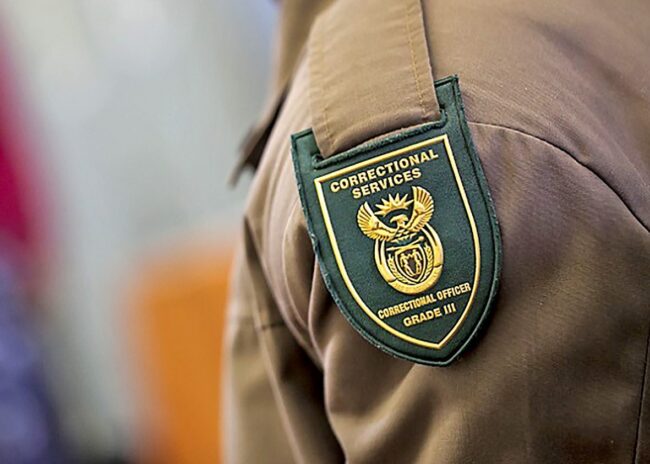
Apply for the Department of Correctional Services Learnership Program 2026. Discover requirements, application steps, benefits, deadlines, and scam warning tips for South African job seekers.
What Is the DCS Learnership Programme?
The Department of Correctional Services (DCS) Learnership Programme 2026 is one of the most sought-after public sector training opportunities in South Africa. It is designed for unemployed South Africans who want to build skills, gain workplace experience, and improve their future job prospects. Instead of offering only classroom learning, the programme combines formal training with real work exposure inside correctional services environments. Correctional Services Learnership That means learners get a chance to understand how the justice and rehabilitation system works while developing practical abilities that employers value.
This programme is usually linked to a Further Education and Training Certificate in Correctional Services (NQF Level 4), which gives participants a recognised qualification after successful completion. That matters because many job seekers struggle to get hired without both experience and certification. A learnership helps solve both problems at once. You learn while you train, and you build a stronger CV at the same time. For many young people, that can be the bridge between unemployment and opportunity.
Another reason people chase this programme every year is its reputation. Government learnerships often attract thousands of applicants because they provide structure, discipline, and valuable exposure. If you are serious about building a future in security, public service, rehabilitation, or law enforcement support roles, this opportunity can be a smart starting point.
Why This Programme Matters in South Africa
South Africa continues to face high youth unemployment, and many capable young people are locked out of the job market because they lack experience. The DCS Learnership Programme responds to that challenge by creating a pathway into structured development. It gives participants more than just temporary activity. It offers direction, confidence, and employable skills.
The programme also supports the broader mission of rehabilitation and safe communities. Correctional services is not only about guarding facilities. It also involves administration, human development, discipline, communication, teamwork, and community reintegration. Learners are introduced to these important areas while being mentored in a professional environment.
Skills You Can Gain
Depending on placement and training structure, learners may develop:
| Skill Area | Why It Matters |
|---|---|
| Communication | Essential for teamwork and public interaction |
| Discipline | Valuable in every workplace |
| Problem Solving | Helps in pressure situations |
| Administration | Useful for office-based careers |
| Security Awareness | Important in public safety roles |
| Teamwork | Needed in almost all industries |
These are transferable skills. Even if you later choose another career path, the experience can still help you move forward.
Latest 2026 Learnership Updates
If you are searching for the DCS Learnership 2026 application, the most important thing to know is this: always rely on official announcements. Recent government updates confirmed the commencement of previous learnership training intakes in 2025, showing that the programme remains active and ongoing. That is a positive sign for future intakes, including 2026 opportunities.
At the time of writing, public application windows may open depending on departmental recruitment schedules. These opportunities are not always available all year. Some intakes open for a limited period and close quickly once enough applications are received. That means checking regularly is not optional—it is essential. Waiting for social media rumours can cause you to miss deadlines.
The best place to monitor updates is the official Department of Correctional Services website and recognised South African government communication platforms. If an advert is real, it should contain a reference number, province or region, requirements, submission method, and closing date. If those details are missing, be careful.
Current Status of Applications
Application dates can change by region or intake. Some years have nationwide recruitment, while others are staggered by province. Always verify before submitting any documents.
Where Official Announcements Are Published
Look for updates on:
- Official DCS website
- South African government announcements
- Verified public vacancy portals
- Official departmental notices
Avoid random WhatsApp forwards and unverified Facebook posts.
Minimum Requirements to Apply
Before you spend time preparing an application, make sure you meet the likely entry requirements. Correctional Services Learnership While exact criteria can vary by intake, previous official and historical information shows that applicants are generally expected to be South African citizens, meet the education requirement, and have no serious criminal record.
This is where many people make mistakes. They rush into applying without reading the advert carefully. Then they submit incomplete forms or fail basic screening requirements. Think of the advert like a map—if you ignore it, you get lost.
Education Requirements
Most previous learnership intakes required one of the following:
- Grade 12 / Matric
- NQF Level 4 equivalent
- Relevant vocational qualification
Some adverts may accept alternative equivalent qualifications, so read each notice carefully.
Age, Citizenship, and Criminal Record
Common requirements often include:
- South African citizenship
- Valid ID document
- Clean criminal record or suitability checks
- Fitness for training environment
- Ability to communicate effectively
Because correctional services is a professional public institution, integrity matters. Background checks may form part of the recruitment process.
What the Training Includes
Many people imagine a learnership as sitting in a classroom all day. Correctional Services Learnership That is not how this one works. The DCS programme has historically combined theory training and practical workplace learning. This blended model is powerful because it turns knowledge into action. You do not just learn concepts—you apply them.
Training may cover professional conduct, rehabilitation principles, communication, operational procedures, safety awareness, teamwork, and workplace expectations. The exact modules can change depending on intake and policy updates, but the goal remains the same: prepare learners for real responsibilities.
Theory Training Phase
The theory phase may take place at designated training centres or colleges. Learners focus on structured instruction, rules, procedures, and foundational knowledge. This stage helps build discipline and readiness before workplace deployment.
Workplace Practical Training
Practical learning introduces learners to real environments where systems, teamwork, and daily operations happen. Correctional Services Learnership This is where confidence grows. You begin to understand how a professional setting functions and how your role contributes to the bigger picture.
That combination of classroom and workplace learning is like learning to drive with both a manual and the road itself. You need both to become capable.
How to Apply for the DCS Learnership 2026
Applying correctly can make the difference between being shortlisted and being ignored. Many strong candidates lose opportunities because of small mistakes—missing signatures, incomplete forms, wrong reference numbers, or uncertified documents. A careful applicant already has an advantage.
Documents You Need
Prepare these in advance:
- Certified copy of South African ID
- Certified copy of qualifications
- Updated CV
- Proof of address (if requested)
- Completed application form
- Any supporting documents requested in the advert
Always certify documents according to the latest instructions in the advert.
Step-by-Step Application Process
- Find the official advert.
- Read every requirement slowly.
- Download or collect the correct application form.
- Fill in all sections clearly and honestly.
- Add required certified documents.
- Use the correct reference number.
- Submit before the closing date.
- Keep proof of submission if possible.
Simple? Yes. But only if done carefully.
Visit Official Website Here
Common Mistakes to Avoid
Do not:
- Leave sections blank
- Use the wrong reference number
- Submit late
- Send blurry documents
- Provide false information
- Ignore instructions
Recruitment teams often receive many applications. Errors can quickly remove you from consideration.
Benefits of Joining the Programme
Why do so many people apply every year? Because the rewards go beyond money. A learnership can change your trajectory. Correctional Services Learnership It gives structure to your days, experience for your CV, and proof that you can function in a professional environment.
Stipend and Support
Some previous intakes included a monthly stipend for learners, though amounts and benefits can vary depending on programme rules and year. Never trust random salary claims online unless they come from official sources. If a stipend is offered, it is usually explained in the advert or training documentation.
Career Growth Opportunities
Completing a learnership does not automatically guarantee permanent employment, but it can significantly improve your chances in future recruitment. Correctional Services Learnership Employers value people who have already trained in structured environments, followed rules, and gained workplace exposure.
Possible future pathways may include:
- Government vacancies
- Security sector roles
- Administration positions
- Community services work
- Further studies and training
A learnership can be the first domino that pushes many others forward.
How to Avoid Fake Learnership Scams
Scammers target desperate job seekers. That is the hard truth. Recent warnings in South Africa highlighted fake learnership adverts and fraudsters asking people to pay money for placements. If anyone asks for payment to secure a Correctional Services Learnership, treat it as a red flag.
Real recruitment processes do not need secret fees, magical shortcuts, or “guaranteed placement” payments. Correctional Services Learnership Scammers often create urgency: Pay today or lose your chance. That pressure is the trap.
Protect yourself by following these rules:
- Apply only through official channels
- Never pay for placement
- Verify contact details
- Check website domains carefully
- Ask questions if something feels wrong
- Ignore fake posters with unrealistic salaries
If an offer sounds too good to be true, it usually is.
Conclusion
The Department of Correctional Services Learnership Program 2026 can be a valuable opportunity for South Africans who want skills, structure, and Correctional Services Learnership a stronger future. It blends training with practical experience and introduces learners to one of the country’s important public service sectors. For many applicants, it is more than a programme—it is a doorway.
Success starts with preparation. Check official updates regularly, gather your documents early, and submit a clean, complete application. Correctional Services Learnership Stay alert for scams, trust verified sources, and be patient with the recruitment process. One well-prepared application can go further than ten rushed ones.
FAQs
1. Is the DCS Learnership 2026 open now?
Application dates change. Check official DCS announcements regularly for the latest status.
2. Do I need Matric to apply?
Many previous intakes required Grade 12 or equivalent, but always read the specific advert. Correctional Services Learnership
3. Is there a stipend?
Some learnerships have offered stipends in the past, but amounts vary by intake and policy.
4. Does completing the programme guarantee a job?
No guaranteed permanent job is usually promised, but the experience can improve your future prospects.
5. How do I know if an advert is fake?
If you are asked to pay money, use unofficial channels, or see unrealistic promises, be cautious and verify first.