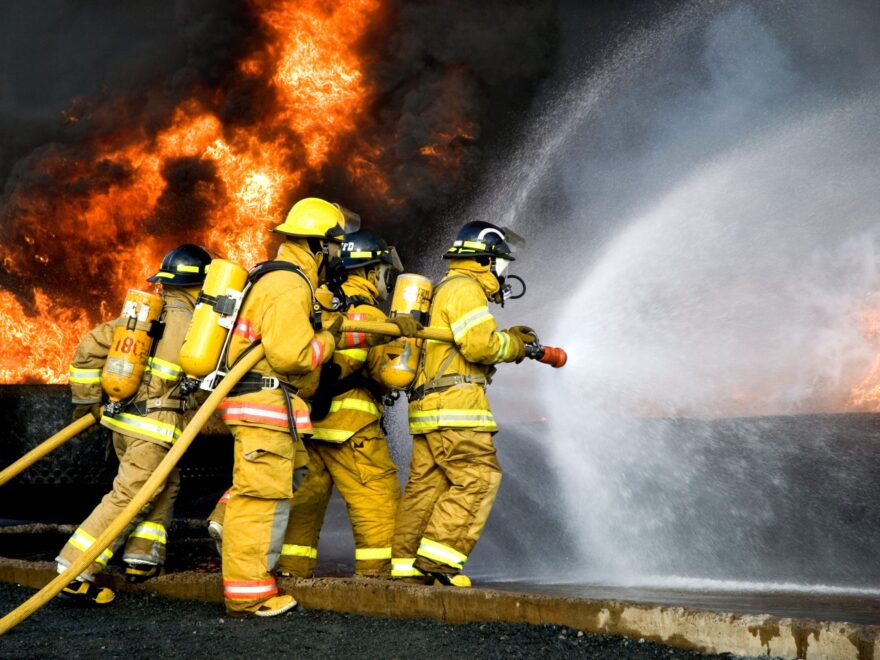
NCC Group 50 Fire Fighter Vacancies are available. Apply for 50 fixed-term Fire Fighter positions before 26 August 2026 and prepare for the required 4.8 km pack test.
NCC Group 50 Fire Fighter Vacancies Overview
The NCC Group 50 Fire Fighter Vacancies provide an opportunity for suitable applicants to join wildland fire-fighting teams operating from various area. The positions are offered on a fixed-term contract running from October 2026 to September 2027.
NCC Group has extensive experience in integrated wildfire management. Its official website explains that the organisation provides wildfire services covering areas such as pre-suppression, suppression, rehabilitation and reporting.
This makes the Fire Fighter opportunity particularly relevant to people who want to work in environmental protection, emergency response and wildland fire management.
The appointed employees will form part of operational teams that help protect communities, natural areas, infrastructure and the environment. Their work can include fire suppression, fire prevention, vegetation management, equipment handling and emergency response.
This isn’t a conventional office-based job. Wildland fire fighting can be physically demanding and may require employees to work outdoors, travel between operational areas, work shifts and remain available for standby duties.
Vacancy Details at a Glance
| Job Detail | Information |
| Position | Fire Fighter |
| Number of Vacancies | 50 |
| Contract Type | Fixed-Term Contract |
| Contract Period | October 2026 – September 2027 |
| Location | South Africa |
| Reference Number | BCS/Fire/02/2026 |
| Closing Date | 26 August 2026 |
| Physical Assessment | 4.8 km with a 20 kg pack |
| Pack Test Time | Under 45 minutes |
| Application Method | Email CV |
Applicants should read the requirements carefully before applying. The physical assessment is an important part of the recruitment process, and shortlisted candidates will also undergo an Occupational Health Practitioner Evaluation.
What Does a Wildland Fire Fighter Do?
A wildland Fire Fighter helps prevent, control and respond to fires in natural and undeveloped areas. Unlike some urban fire-fighting roles, wildland fire fighting often takes place in vegetation, mountains, forests, open land and other challenging environments.
The work requires teamwork, discipline and awareness. Fire conditions can change quickly, so employees must be able to follow instructions and remain alert throughout an operation.
The Fire Fighter may work under the direction of an operational team leader while carrying out assigned duties. Depending on the circumstances, duties can involve direct or indirect fire suppression, mop-up operations, observation and general emergency support.
A successful candidate must also understand that safety comes first. Employees are expected to follow established procedures and use equipment responsibly.
Working as Part of a Team
Teamwork is one of the most important qualities required in this role.
Fire Fighters don’t work in isolation. They operate as part of organised teams where communication and cooperation are essential. Each person has a role to perform, and employees must be able to receive instructions, communicate clearly and support colleagues.
A dependable team member can make a significant difference during a demanding operation.
Key Fire-Fighting Responsibilities
The main operational duties will focus on wildland fire suppression and emergency response.
Depending on operational requirements, Fire Fighters may be expected to:
- Participate in direct fire attacks where conditions allow.
- Carry out indirect fire attacks as instructed.
- Assist with mop-up operations.
- Monitor areas after fire suppression.
- Maintain observation duties.
- Support emergency response operations.
- Work according to instructions from operational leaders.
- Follow fire-fighting safety procedures.
- Report changing conditions and potential hazards.
- Work cooperatively with other members of the fire-fighting team.
Fire Suppression Activities
Fire suppression is the process of controlling and containing a fire so that it can no longer spread or threaten people, property or natural resources.
The exact approach used during an incident will depend on factors such as weather, terrain, vegetation, fire behaviour and operational instructions.
Fire Fighters must therefore remain flexible. One day may involve routine prevention work, while another may require a rapid response to an active wildfire.
The role calls for people who can remain focused when conditions become demanding.
Fire Prevention Duties
Fire prevention is another major part of the position.
Preventing or reducing the impact of wildfires can involve managing vegetation and reducing conditions that allow fires to spread quickly.
Fire Fighters may assist with activities such as:
- Clearing invasive or alien vegetation.
- Managing vegetation around designated areas.
- Supporting fuel-load reduction activities.
- Setting up irrigation systems where necessary.
- Assisting with public fire education.
- Supporting general fire prevention operations.
- Preparing operational areas before periods of increased fire risk.
These activities may appear straightforward, but they form an important part of wildfire preparedness.
Why Fire Prevention Matters
A wildfire can spread rapidly when vegetation is dry and weather conditions are favourable for fire growth. Good preparation can help reduce risks and improve the ability of response teams to manage incidents.
NCC Group describes its wildfire management work as including both pre-suppression and suppression activities, showing the importance of preparation alongside emergency response.
For Fire Fighters, this means the job isn’t simply about responding once a fire has started. Prevention, preparedness and maintenance are also important responsibilities.
Equipment and Machinery Responsibilities
Fire Fighters will use different tools and equipment as part of their operational duties.
Employees are expected to handle equipment carefully and follow all applicable safety procedures. Tools and machinery must be used for their intended purpose and maintained appropriately.
Responsibilities may include:
- Inspecting equipment before use.
- Using tools according to instructions.
- Cleaning equipment after operations.
- Reporting damaged or faulty equipment.
- Storing equipment correctly.
- Maintaining operational readiness.
- Following workplace safety procedures.
NCC Group’s wildfire services include specialised fire-fighting resources and equipment, reflecting the practical and operational nature of its fire-management activities.
Safety Comes First
Equipment can only be useful when it is used correctly. Fire Fighters must therefore take safety seriously and remain aware of their surroundings.
The ability to follow procedures is especially important when employees are working outdoors, around changing fire conditions or in difficult terrain.
Training and Development for Fire Fighters
Successful candidates will be required to participate in training designed to maintain the knowledge and skills needed for the position.
Training may cover areas such as:
- Fire-fighting procedures.
- Equipment operation.
- Emergency response.
- Workplace safety.
- Fire prevention.
- Operational communication.
- Team procedures.
- Incident response.
- General wildland fire management.
NCC Group also provides specialist training programmes covering safety, health, environmental, risk and quality topics, as well as Incident Command System training.
Training is important because wildland fire conditions can vary significantly. Employees must understand their responsibilities and know how to respond according to established procedures.
Continuous Learning
Being appointed doesn’t mean the learning stops.
Fire Fighters are expected to maintain the required level of competency throughout the contract. Training and operational experience can help employees develop greater confidence, awareness and professionalism.
Physical Fitness Assessment
One of the most important requirements for these NCC Group 50 Fire Fighter Vacancies is the Physical Fitness Assessment.
The advertised pack test requires candidates to:
| Requirement | Standard |
| Distance | 4.8 km |
| Pack Weight | 20 kg |
| Required Time | Under 45 minutes |
This requirement reflects the physically demanding nature of wildland fire fighting.
Candidates should understand the assessment requirements before applying. The role can involve walking over uneven terrain, carrying equipment and working for extended periods.
Occupational Health Evaluation
Shortlisted applicants must also successfully complete an Occupational Health Practitioner Evaluation.
This assessment is intended to establish whether a candidate is medically and physically capable of performing the duties associated with the role.
Applicants should be honest and accurate throughout the recruitment process and follow the instructions provided by the employer.
Essential Requirements for Applicants
Applicants must meet the minimum requirements before submitting their applications.
The advertised requirements include:
- Must be 18 years or older.
- Must be willing to work shifts.
- Must be available for standby duties.
- Must have no criminal record, subject to verification.
- Must have a high level of physical fitness.
- Must have good health.
- Must successfully complete the Physical Fitness Assessment.
- Must successfully complete the Occupational Health Practitioner Evaluation.
- Must be able to work under pressure.
- Must be comfortable working in physically demanding environments.
- Must comply with NCC Group’s Alcohol, Drug and Substance Use Policy.
- Must demonstrate teamwork.
- Must have strong observation skills.
What These Requirements Mean
Applicants shouldn’t look at the age requirement alone. This is a specialised operational position with several conditions attached to employment.
For example, someone may meet the minimum age requirement but still need to demonstrate that they can meet the physical assessment standard and work according to the operational requirements.
Likewise, applicants must be comfortable with shift work and standby duties.
Shortlisting and Recruitment Checks
Candidates who are shortlisted will need to complete additional recruitment checks and assessments.
The recruitment process includes the Physical Fitness Assessment and criminal record check. The pack test requires candidates to walk 4.8 km while carrying a 20 kg pack in under 45 minutes.
The Occupational Health Practitioner Evaluation is another important stage.
Applicants should therefore make sure all information contained in their CV is accurate. Incorrect or misleading information could affect the application.
Criminal Record Verification
A criminal record check forms part of the recruitment process.
Applicants should understand that satisfying the initial application requirements doesn’t necessarily mean an appointment will be made. Candidates must successfully complete the relevant recruitment stages before they can be appointed.
Shift Work and Standby Duties
Wildland fires don’t always happen during standard business hours. As a result, successful applicants must be prepared for shift work and scheduled standby duties.
This means flexibility is essential.
A Fire Fighter may need to work outside normal daytime hours depending on operational requirements. Standby duties may also require employees to remain available to respond when additional resources are needed.
Is Shift Work Right for You?
Before applying, candidates should consider whether they can realistically meet the scheduling requirements.
The position is suited to people who are dependable and understand that emergency response work may require flexibility.
If you’re looking for a traditional Monday-to-Friday office role, this opportunity may not be the right fit. On the other hand, people who enjoy outdoor operational work may find the position rewarding.
The Ideal NCC Group Fire Fighter Candidate
The ideal candidate will combine physical readiness with discipline, teamwork and a strong safety mindset.
Important qualities include:
- Reliability.
- Teamwork.
- Good observation.
- Discipline.
- Communication.
- Adaptability.
- Focus.
- Willingness to learn.
- Respect for safety procedures.
- Ability to follow instructions.
- Ability to work under pressure.
Fire Fighters must also understand that their actions can affect the safety of other team members. Following instructions and communicating clearly are therefore essential.
A Positive Attitude Matters
Physical ability is important, but attitude matters too.
A good Fire Fighter should be willing to learn, accept guidance and contribute to the team. The job can be challenging, and a positive approach can help employees work effectively with colleagues.
How to Apply for NCC Group 50 Fire Fighter Vacancies
Interested applicants must submit their most recently updated CV by email.
Application Details
Email: recruitment@ncc-group.co.za
Reference: BCS/Fire/02/2026
Closing Date: 26 August 2026
The CV should be titled using the applicant’s Name and Surname.
For example:
John Adam
The email subject line must contain the correct reference number:
BCS/Fire/02/2026
NCC Group has previously advertised vacancies using the same application approach, including submission of an updated CV, use of a reference number and a Name-and-Surname CV title.
Where to Find More Information
Applicants can also visit the official NCC Environmental Services website for information about the organisation and its environmental and wildfire-management services.
Application Checklist
Before pressing send, applicants should check every detail.
-
Update your CV.
-
Title the CV with your Name and Surname.
-
Use the correct email address.
-
Include BCS/Fire/02/2026 in the email subject.
-
Check that you meet the minimum age requirement.
-
Confirm that you’re available for shifts.
-
Confirm that you’re prepared for standby duties.
-
Review the Physical Fitness Assessment requirements.
-
Understand the criminal record check requirement.
-
Make sure your contact information is correct.
-
Submit the application before the closing date.
Taking a few extra minutes to check your application can prevent simple administrative mistakes.
Closing Date for the Fire Fighter Jobs
The closing date is 26 August 2026.
Applicants shouldn’t wait until the final day if they can submit earlier. Sending an application ahead of time gives you an opportunity to check that the email, CV and reference number are correct.
Candidates who have not received a response within two weeks should consider their application unsuccessful, according to the supplied vacancy information.
Appointments will be made in line with the company’s Employment Equity Plans.
Why the Reference Number Matters
The reference number helps the employer identify the specific vacancy for which you’re applying.
For this opportunity, the correct reference is:
BCS/Fire/02/2026
Double-check it before sending your email. A small typo can create unnecessary confusion during recruitment.
What Makes These Fire Fighter Vacancies Different?
These vacancies stand out because they combine employment with environmental and emergency-response work.
NCC Group states that it has been involved in integrated wildfire management for many years and aims to professionalise the wildland fire-fighting industry.
The successful candidates can therefore expect an operational environment where safety, teamwork and preparedness are central to the work.
The contract also provides a defined employment period from October 2026 to September 2027.
Working in the Western Cape
The positions are based at various operational bases across the Western Cape.
The province contains diverse landscapes and natural environments, so employees may work in different outdoor settings depending on operational requirements.
Applicants should therefore be comfortable with outdoor work and changing working conditions.
Preparing for the Application Process
Preparation is key.
First, make sure your CV is current. Your contact details should be accurate, and your experience and relevant skills should be easy to understand.
Next, review the requirements carefully. Don’t simply apply because the position has 50 vacancies. Make sure you understand the physical assessment, occupational health evaluation, shift work and standby requirements.
Finally, check the application instructions before sending your email.
Keep Your CV Professional
A clear CV should make it easy for a recruiter to identify your basic information, relevant experience, skills and contact details.
Avoid unnecessary information and make sure spelling and dates are accurate.
Most importantly, follow the employer’s instructions regarding the CV title and email subject.
Career Opportunity in Wildland Fire Management
For people interested in environmental protection and emergency response, these vacancies may provide valuable operational experience.
Wildland fire management involves more than extinguishing fires. It includes prevention, preparedness, suppression, rehabilitation and reporting.
NCC Group’s own description of its wildfire-management services confirms that the organisation operates across these areas.
This broader understanding is important for anyone considering a future in environmental services or wildfire management.
Building Useful Workplace Skills
A Fire Fighter can develop practical workplace skills such as:
- Team communication.
- Safety awareness.
- Operational discipline.
- Equipment handling.
- Emergency response.
- Environmental awareness.
- Problem solving.
- Time management.
- Working under pressure.
- Following operational procedures.
These skills can be valuable in other operational and environmental environments too.
Frequently Asked Questions About NCC Group Fire Fighter Vacancies
1. How many Fire Fighter vacancies are available at NCC Group?
There are 50 Fire Fighter vacancies advertised for the 2026–2027 fixed-term contract.
2. Where are the Fire Fighter positions located?
The positions are based at various operational bases across the Western Cape.
3. What is the contract period?
The advertised contract runs from October 2026 to September 2027.
4. What is the closing date?
The closing date is 26 August 2026.
5. What is the Physical Fitness Assessment?
The required pack test involves completing 4.8 km while carrying a 20 kg pack in under 45 minutes.
6. Is there a medical or occupational health assessment?
Yes. Shortlisted candidates must successfully complete an Occupational Health Practitioner Evaluation.
7. Is shift work required?
Yes. Successful candidates must be available for shift work and scheduled standby duties.
8. Is a criminal record check required?
Yes. A criminal record check forms part of the recruitment process.
9. What reference number must applicants use?
Applicants must use BCS/Fire/02/2026 as the vacancy reference and include it in the email subject line.
10. How should I submit my CV?
Applicants should email their most recently updated CV to recruitment@ncc-group.co.za. The CV should be titled with the applicant’s Name and Surname.
11. Do I need to be physically fit for the position?
Yes. Physical fitness is an essential part of the role, and candidates must successfully complete the required assessment.
12. Can someone apply if they aren’t available for standby duties?
Applicants should carefully consider the requirement before applying because availability for scheduled standby duties is part of the advertised position.
Final Thoughts on NCC Group 50 Fire Fighter Vacancies
The NCC Group 50 Fire Fighter Vacancies offer a substantial opportunity for suitable applicants interested in wildland fire management, environmental protection and emergency response.
The positions are demanding, but they also offer the chance to become part of an operational team working to protect natural areas, infrastructure and communities across the Western Cape.
Candidates should pay particular attention to the physical assessment, shift requirements, standby duties and occupational health evaluation. Just as importantly, applicants must follow the application instructions precisely.
If you meet the requirements and are ready for the demands of wildland fire fighting, prepare your CV carefully and submit your application using BCS/Fire/02/2026 before 26 August 2026.
Remember: a well-prepared application can make the recruitment process much smoother. Check every detail, use the correct reference number and make sure your CV reflects your current information.